When & How to Change Every Fluid in your Car | Explained
Generated guide based on video: Watch on YouTube
Section 1: Engine Oil
How to check and change engine oil for optimal engine performance.
Materials Needed
- Engine oil
- Dipstick
- Oil filter
Outcome: Engine operates smoothly with clean and sufficient oil levels.
Steps
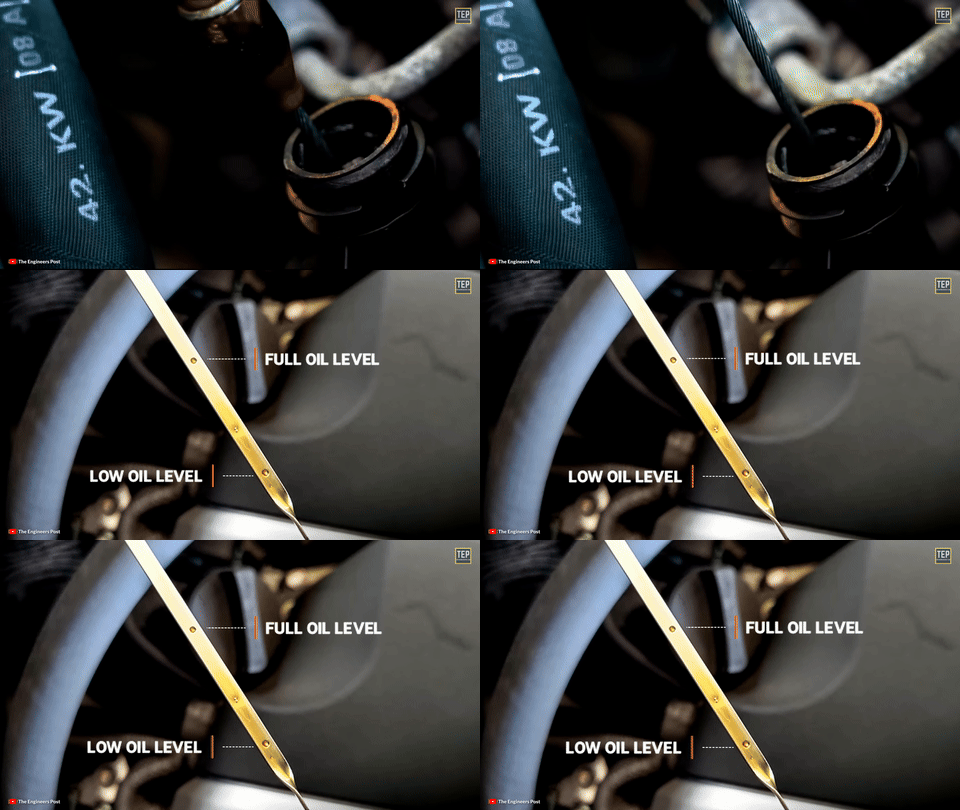
Step 1: Check Oil Levels
Use the dipstick to check the oil level after the engine has cooled for at least 10 minutes.
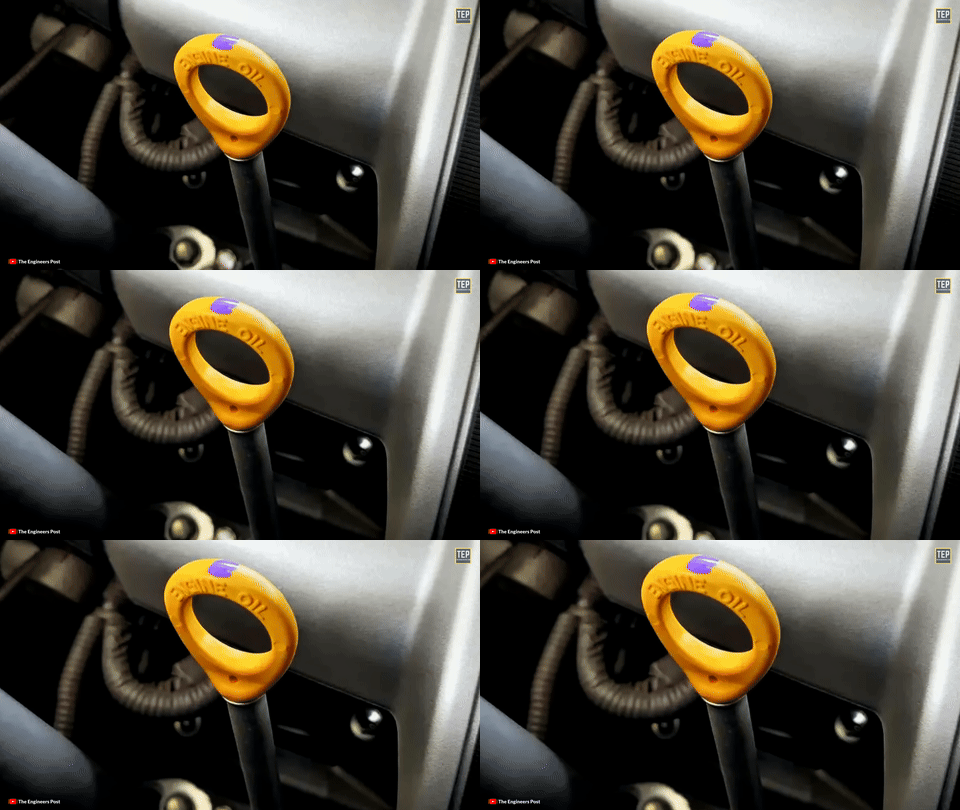
Shows the dipstick being pulled out and wiped clean.
Step 2: Assess Oil Condition
Smear oil between fingers to check for slickness and absence of particles.
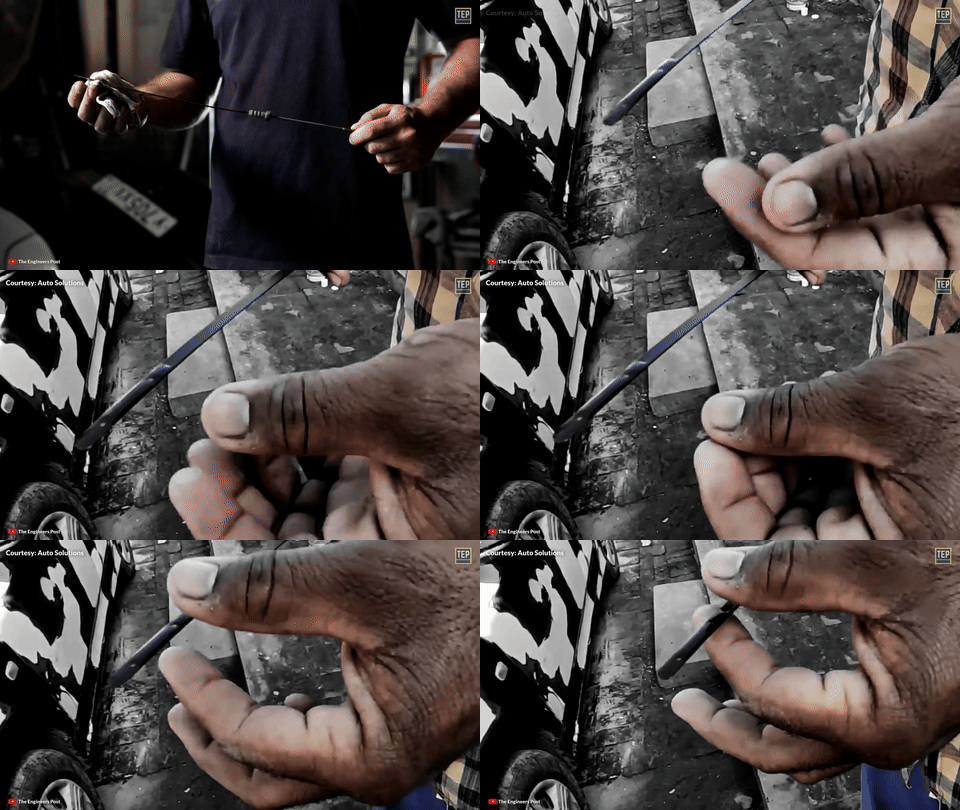
Shows oil being smeared between fingers.
Step 3: Change Oil
Replace oil if it's dark or gritty, following the recommended oil type and change interval.
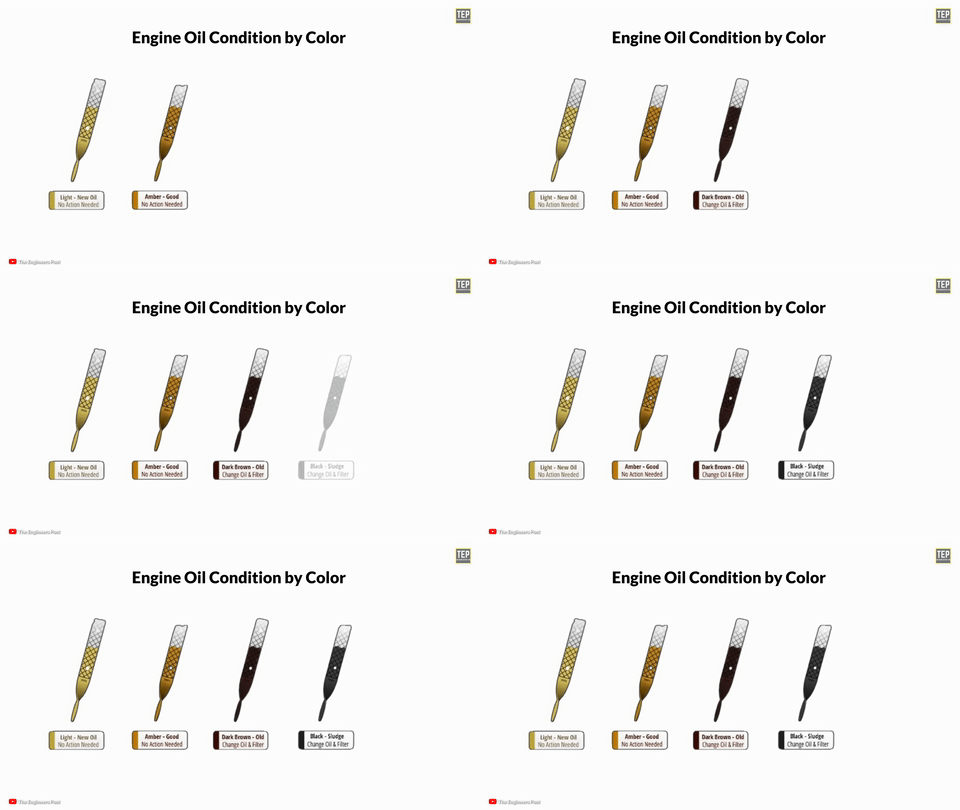
Shows the oil being drained and replaced.
Section 2: Transmission Fluid
How to check and change transmission fluid to ensure smooth gear shifts.
Materials Needed
- Transmission fluid
- Container
- Dipstick
Outcome: Transmission functions efficiently with clean and adequate fluid levels.
Steps
Step 1: Identify Transmission Fluid Type
Consult the owner's manual for the correct transmission fluid type.
Shows the owner's manual being consulted.
Step 2: Drain Old Fluid
Remove the transmission fluid pan and drain the old fluid into a container.
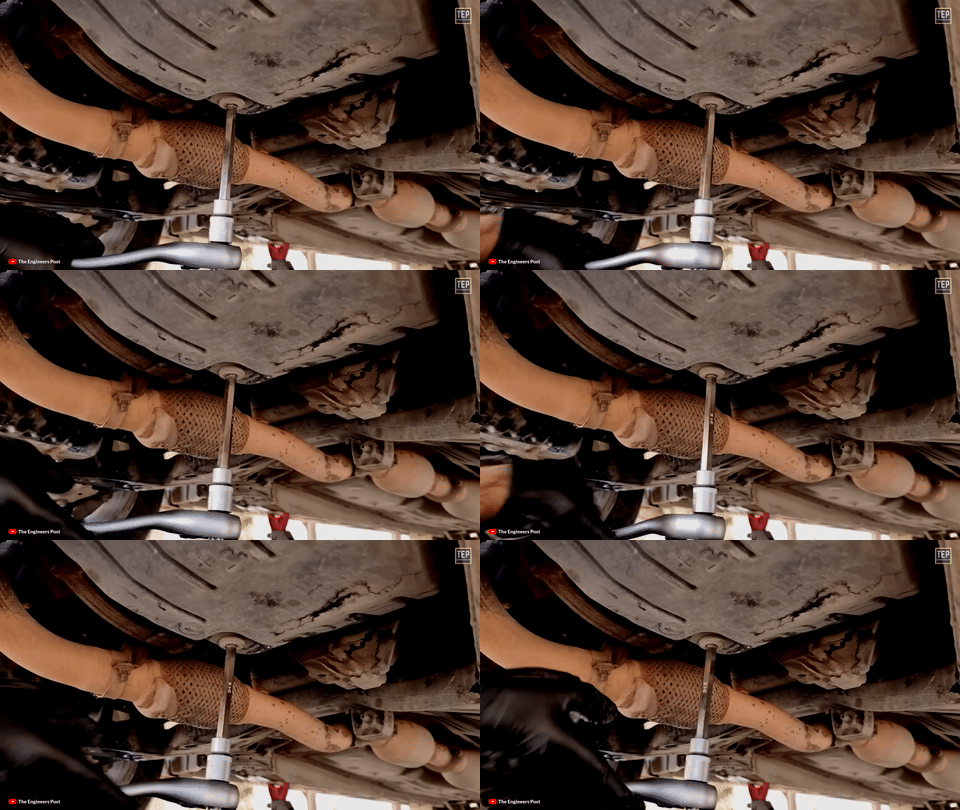
Shows the transmission fluid pan being removed.
Step 3: Refill Transmission
Reinstall the pan and refill with the correct type of fluid, checking levels with the dipstick.
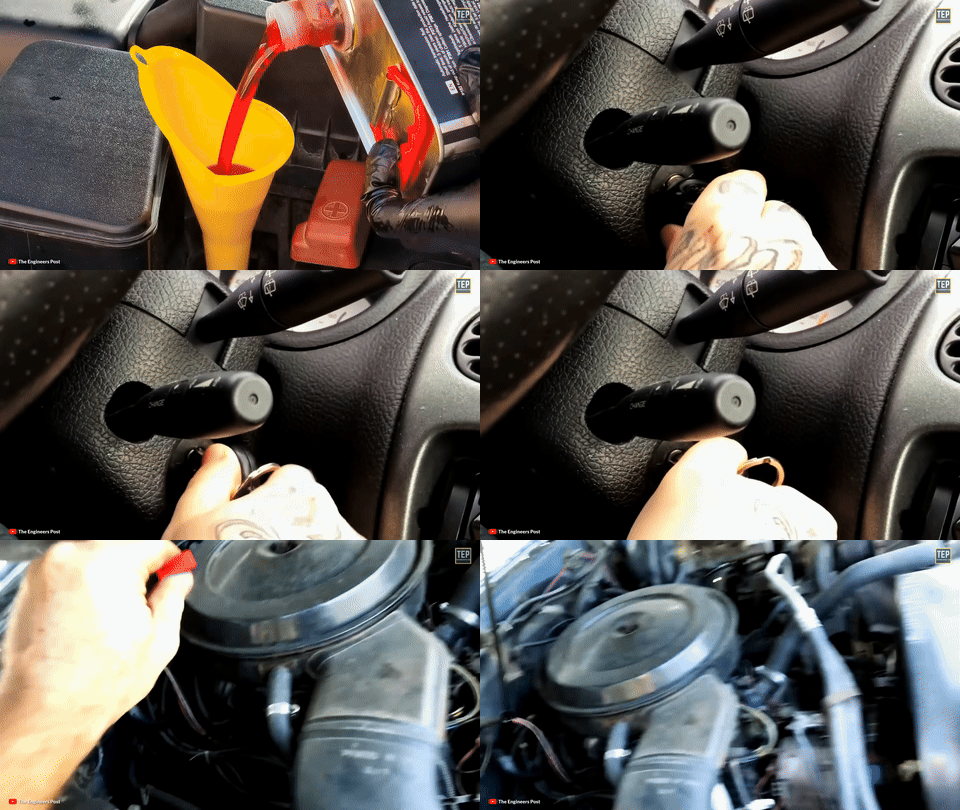
Shows the transmission being refilled and levels checked.
Section 3: Differential Oil
How to change differential oil to maintain drivetrain efficiency.
Materials Needed
- Gear oil
- Wrench
- Container
Outcome: Differential operates smoothly with fresh gear oil.
Steps
Step 1: Check Gear Oil Type
Determine whether your vehicle requires mineral or synthetic gear oil.
Shows the gear oil types being compared.
Step 2: Drain Old Gear Oil
Remove the differential cover and drain the old gear oil into a container.
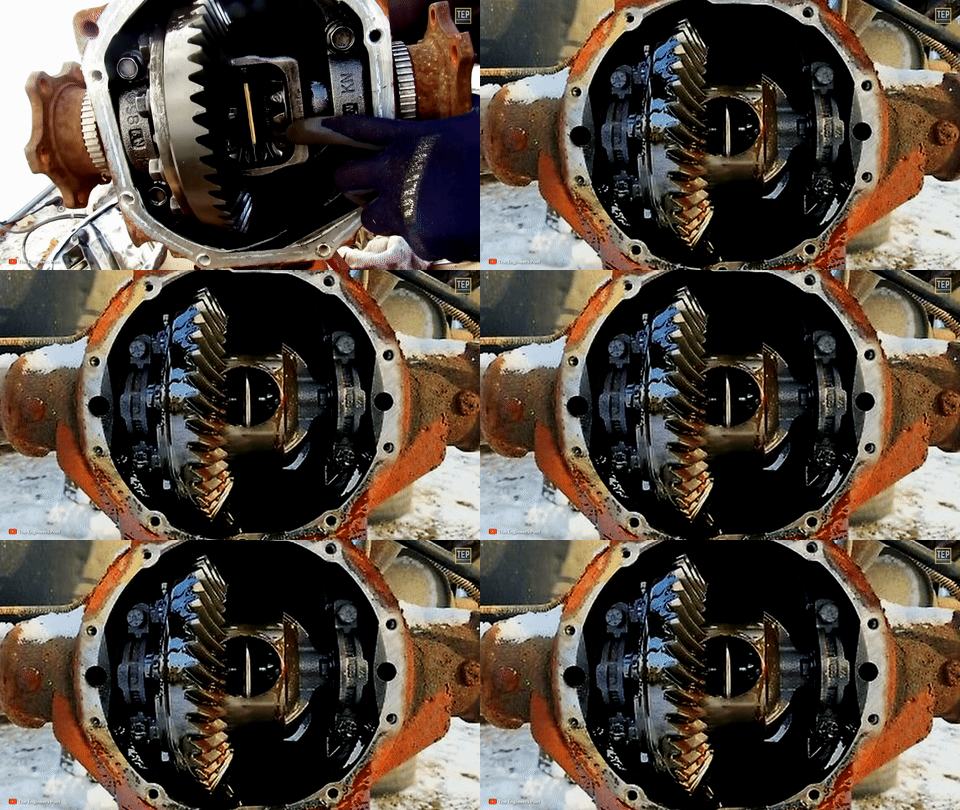
Shows the differential cover being removed and oil drained.
Step 3: Refill with New Gear Oil
Fill the differential with the appropriate gear oil and secure the cover.
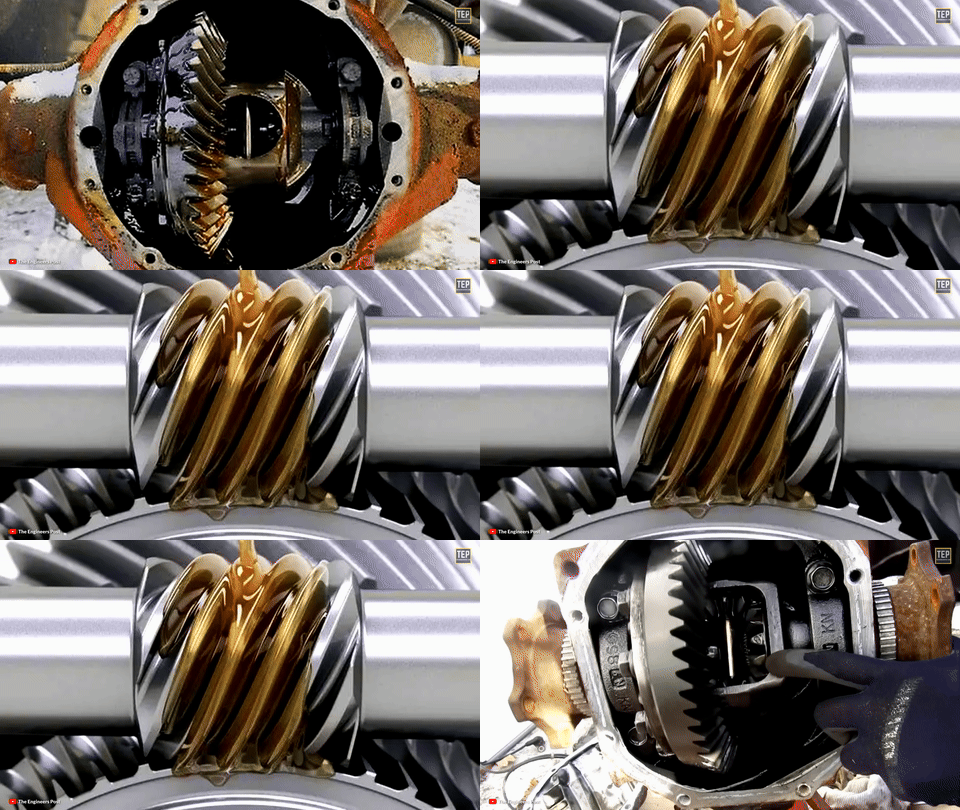
Shows the differential being refilled and cover secured.
Section 4: Brake Fluid
How to maintain brake fluid levels for safe braking performance.
Materials Needed
- Brake fluid
- Funnel
Outcome: Braking system functions effectively with optimal fluid levels.
Steps
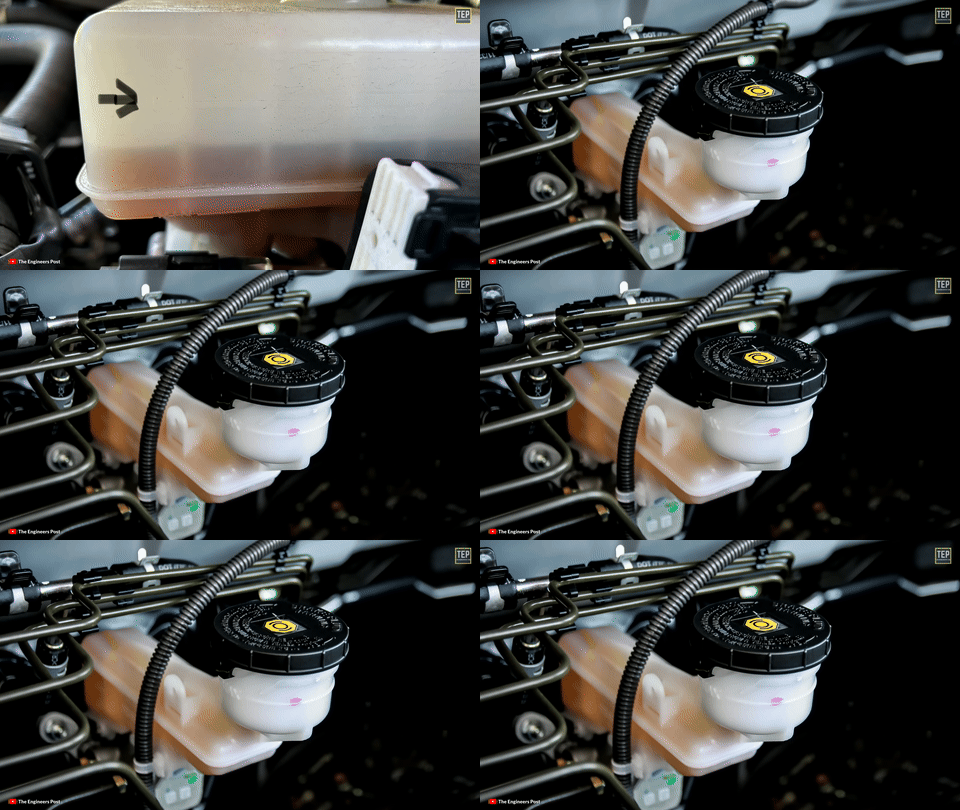
Step 1: Check Brake Fluid Level
Inspect the brake fluid reservoir for fluid level and color.
Shows the brake fluid reservoir being inspected.
Step 2: Top Off Brake Fluid
Add brake fluid if levels are low, ensuring the correct type is used.
Shows brake fluid being added to the reservoir.
Section 5: Power Steering Fluid
How to check and maintain power steering fluid for easy steering.
Materials Needed
- Power steering fluid
Outcome: Steering system remains responsive with adequate fluid levels.
Steps
Step 1: Locate Power Steering Reservoir
Find the power steering fluid reservoir under the hood.
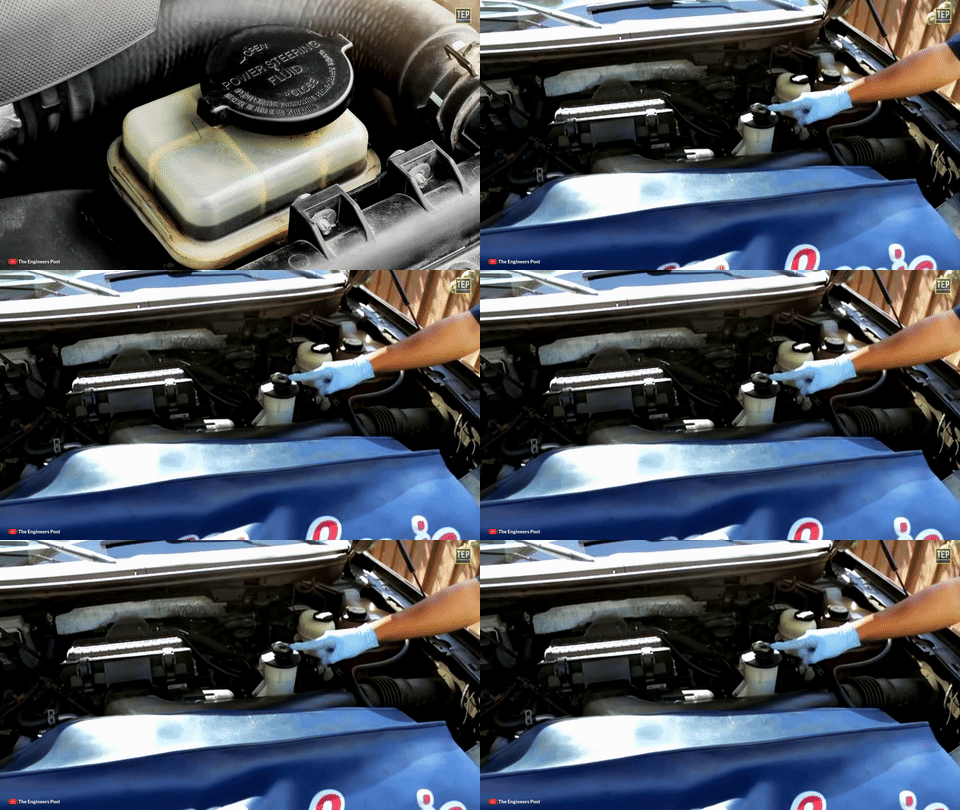
Shows the power steering reservoir location.
Step 2: Check Fluid Condition
Inspect the fluid for color and consistency, replacing if dark or foamy.
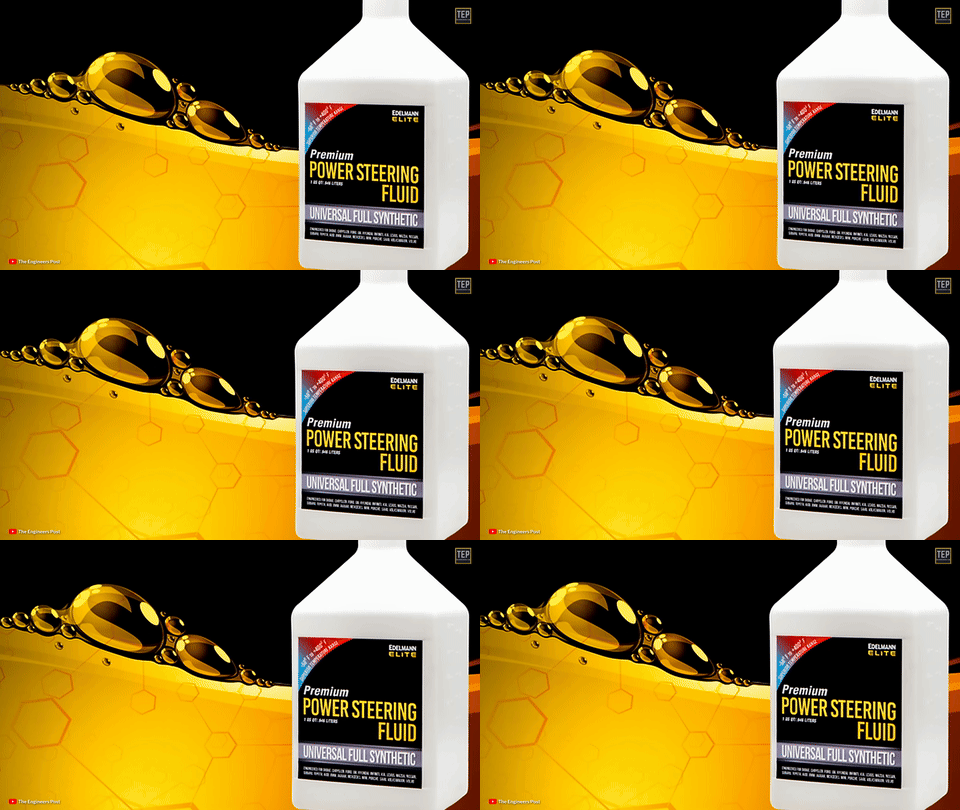
Shows fluid condition being assessed.
Section 6: Engine Coolant
How to maintain engine coolant levels to prevent overheating.
Materials Needed
- Engine coolant
- Funnel
Outcome: Engine remains cool and protected against temperature extremes.
Steps
Step 1: Check Coolant Level
Inspect the coolant reservoir and radiator for proper coolant levels.
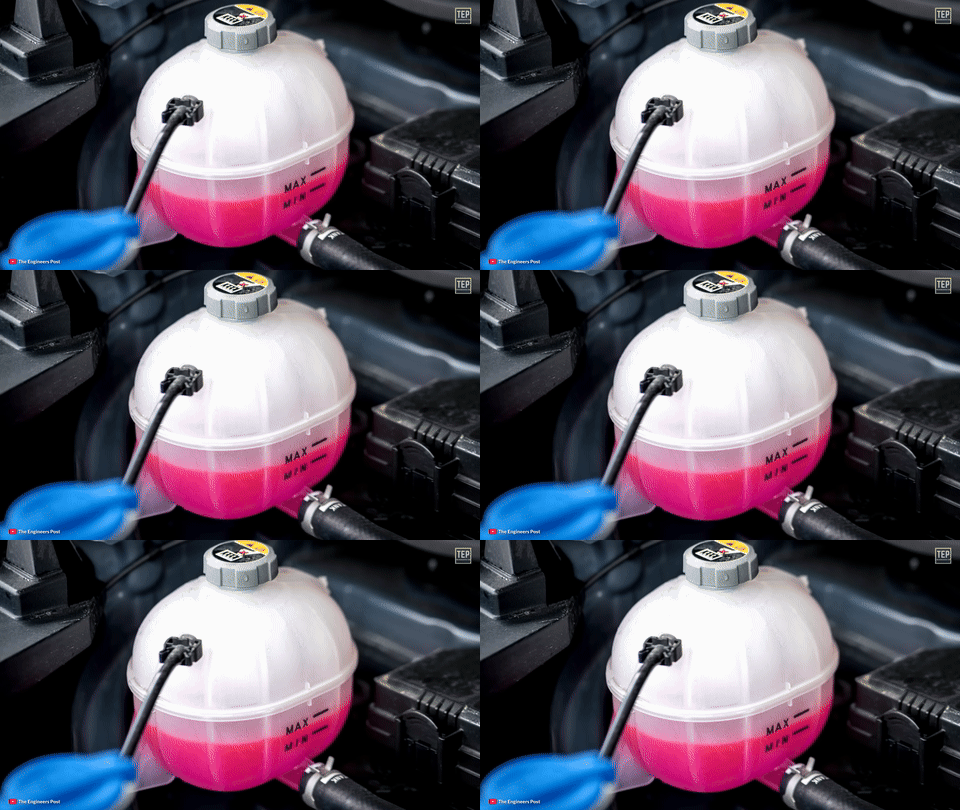
Shows coolant levels being checked.
Step 2: Top Off Coolant
Add the appropriate coolant mixture if levels are low.
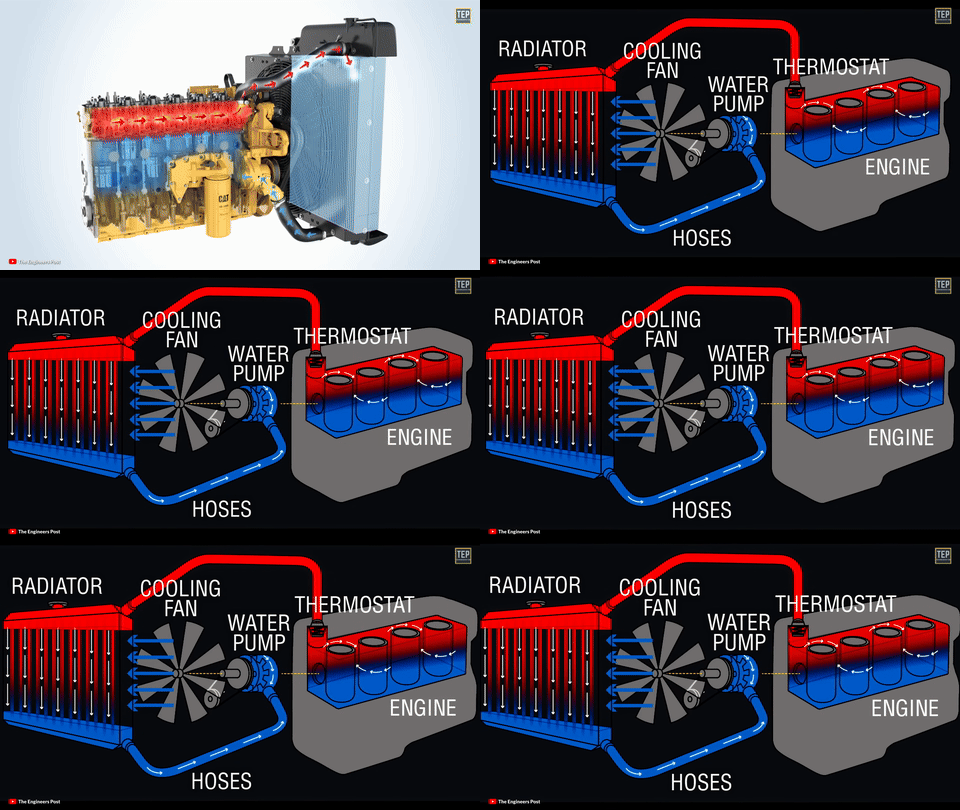
Shows coolant being added to the reservoir.
Section 7: Windshield Washer Fluid
How to maintain windshield washer fluid for clear visibility.
Materials Needed
- Windshield washer fluid
Outcome: Windshield remains clean for safe driving visibility.
Steps
Step 1: Check Washer Fluid Level
Inspect the washer fluid reservoir and add fluid if necessary.
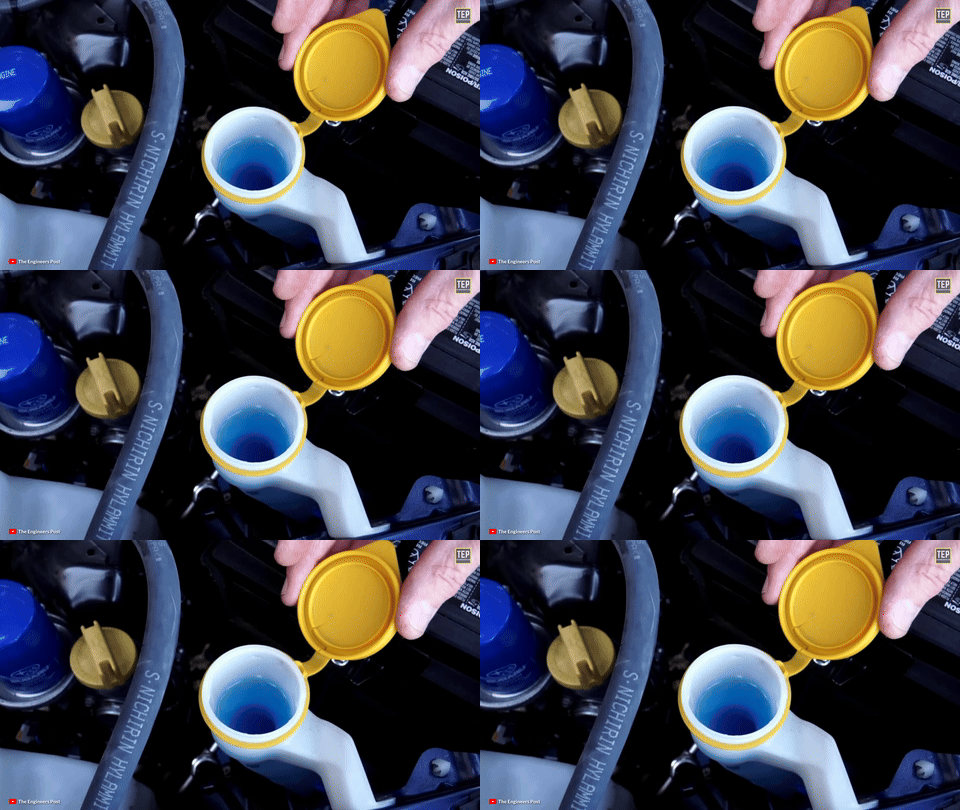
Shows washer fluid being checked and topped off.