How to Install Fence Posts Step-by-step | The Home Depot Canada
Generated guide based on video: Watch on YouTube
Materials Needed
- Mason's lines
- String
- Wooden stakes
- Power auger or post hole digger
- Clam shell post hole diggers
- Gravel
- Fence post
- Length of wood
- Level
- Concrete mix
- Wheelbarrow or bucket
- Shovel
- Two by four
Outcome: Fence posts are installed straight and sturdy, ready to support a fence.
Steps
Step 1: Set up Mason's lines
Use string and wooden stakes to outline the placement and direction of the fence.
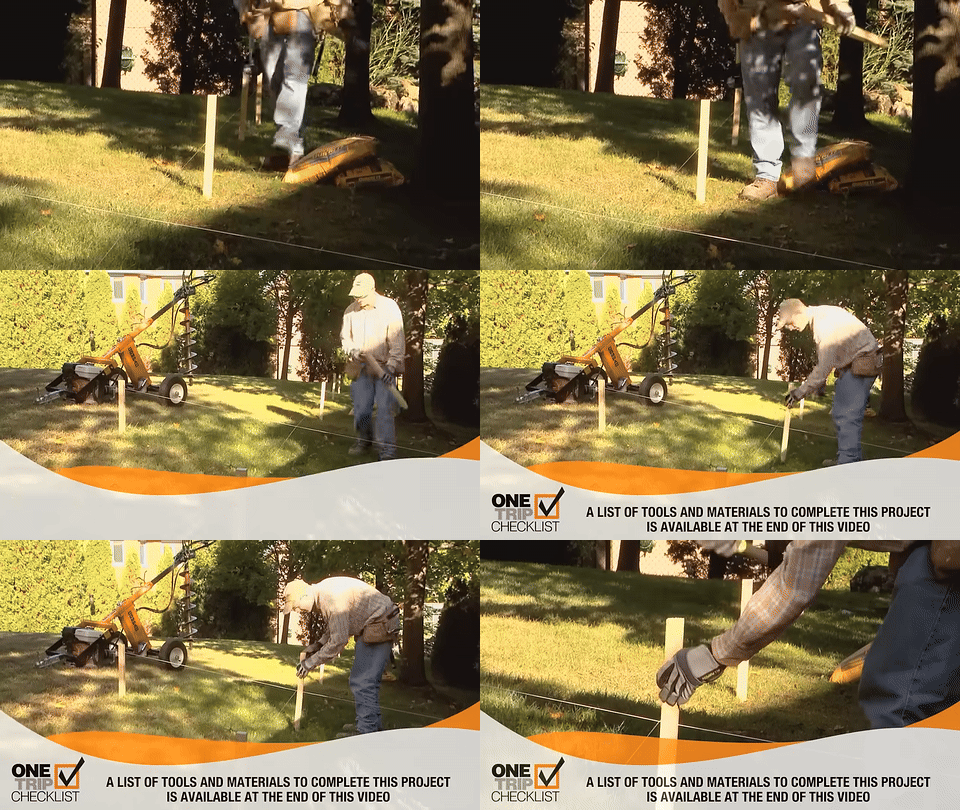
Shows the setup of Mason's lines with string and stakes.
Step 2: Mark fence post spots
Hammer stakes into the ground to mark each fence post location.
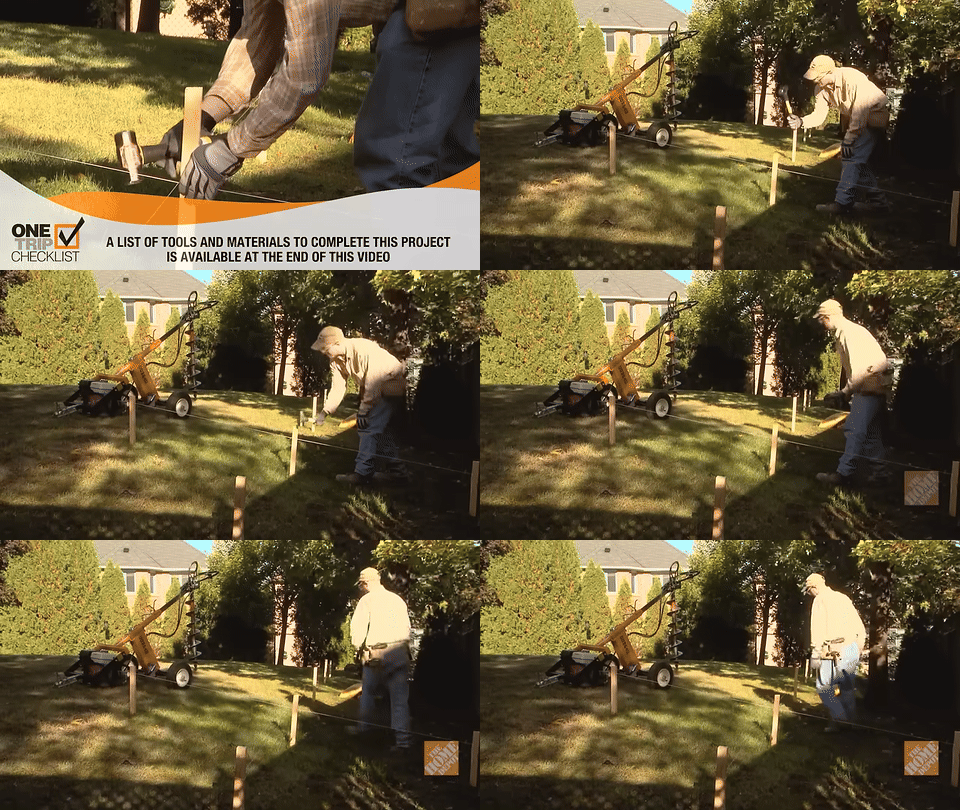
Demonstrates marking the spots for fence posts by hammering stakes.
Step 3: Dig post holes
Use a power auger or post hole digger to dig holes six inches below the frost line.
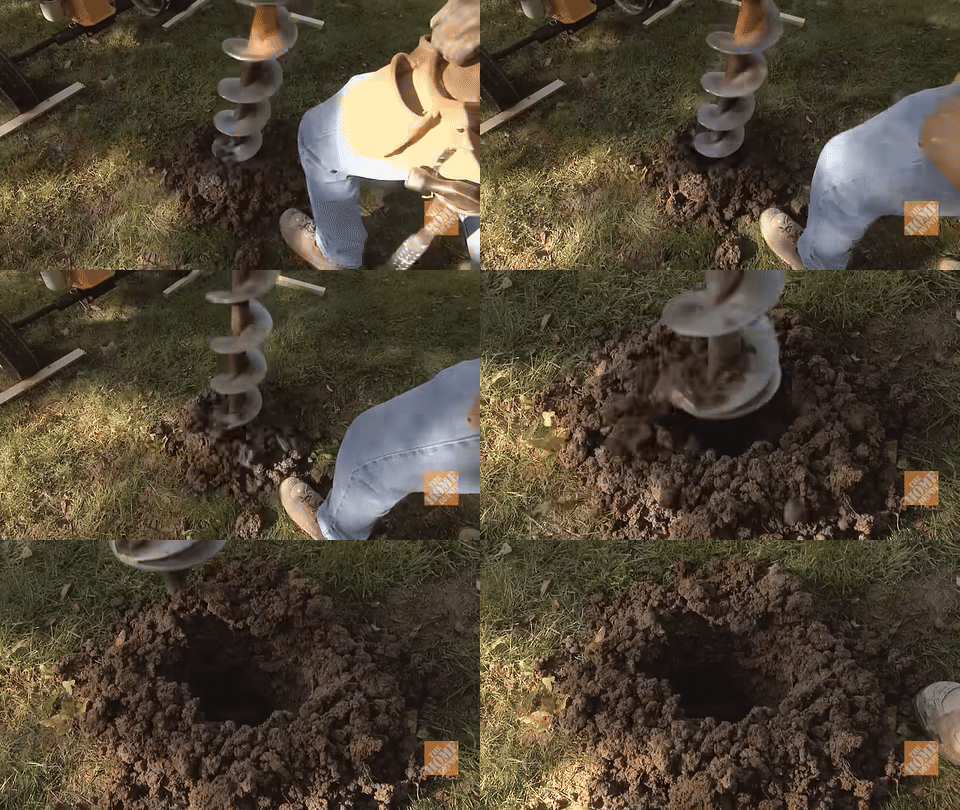
Illustrates digging post holes with a power auger.
Step 4: Clear obstructions
Use clam shell post hole diggers to remove rocks or stones from the holes.

Shows the use of clam shell diggers to clear obstructions.
Step 5: Add gravel base
Pour four inches of gravel into the hole and tamp it down with the fence post.
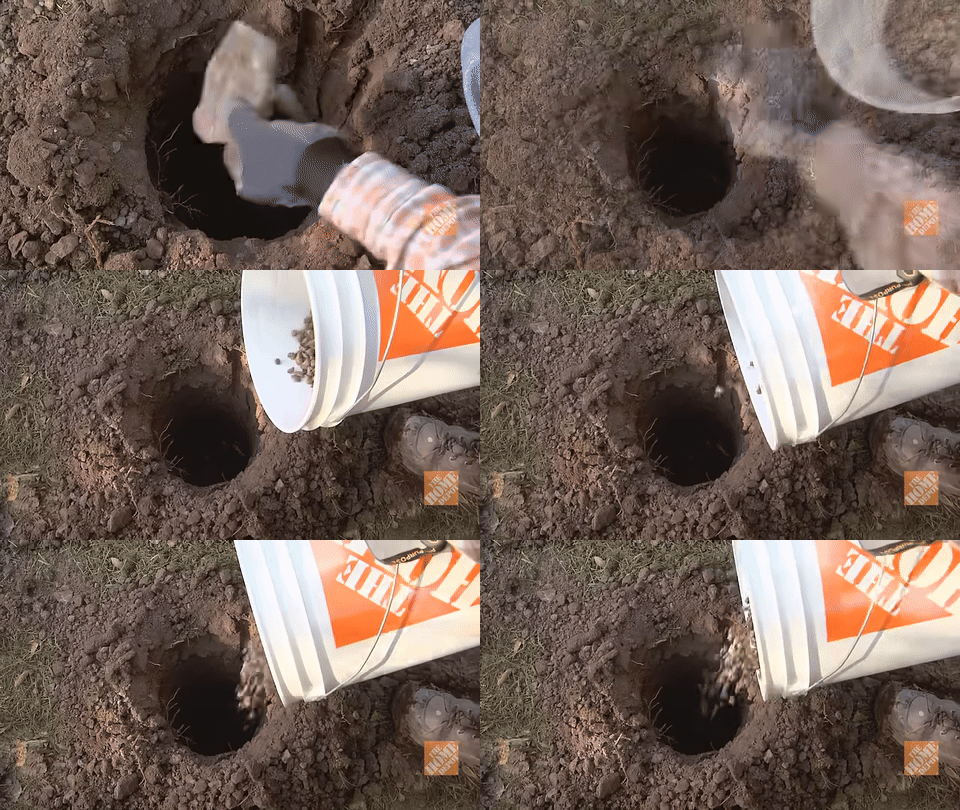
Displays pouring and tamping gravel into the hole.
Step 6: Reposition and brace post
Reattach Mason's lines and use a length of wood to brace the post upright.
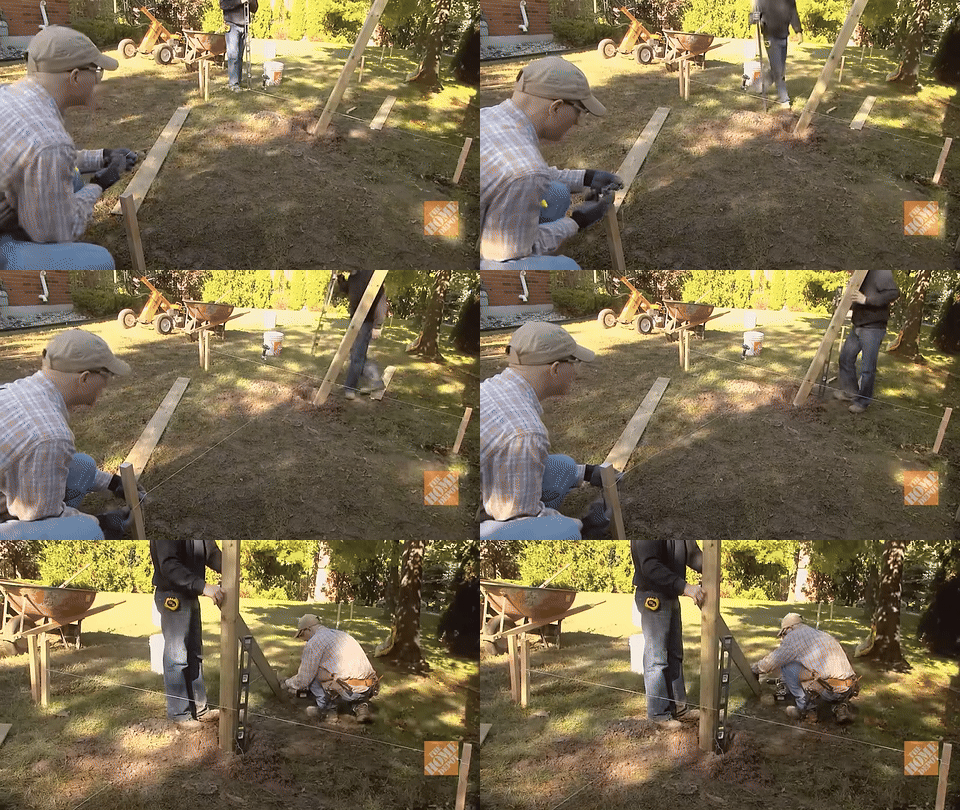
Shows repositioning and bracing the post with wood.
Step 7: Ensure post is vertical
Use a level to make sure the fence post is perfectly vertical.
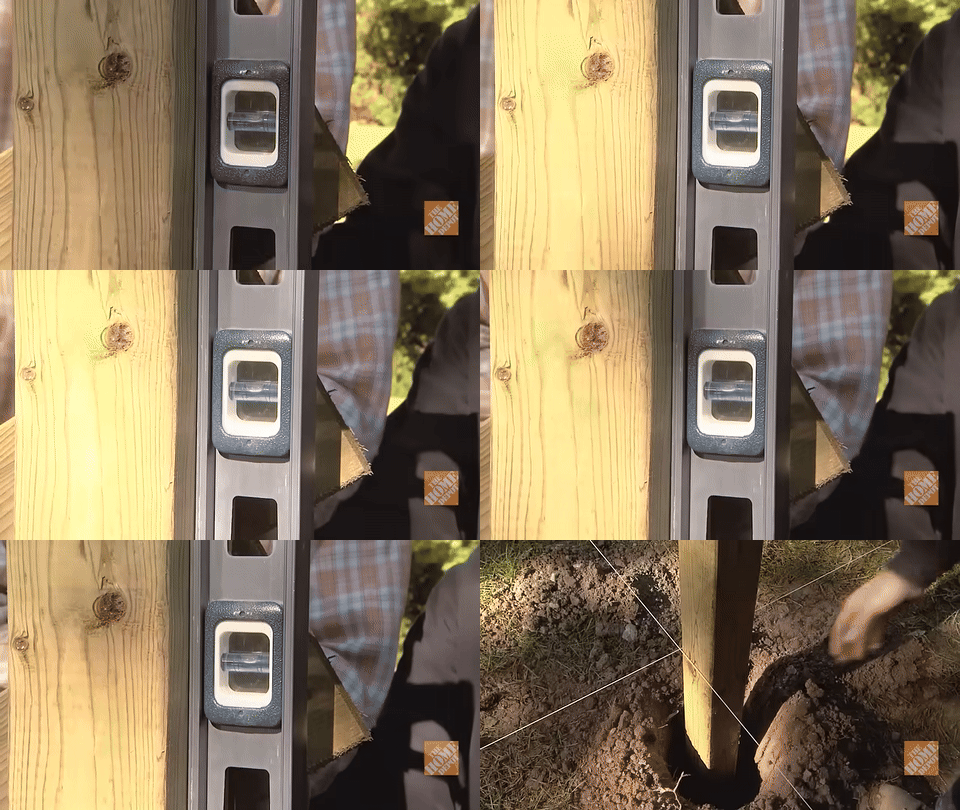
Illustrates using a level to check post verticality.
Step 8: Mix and pour concrete
Mix concrete in a wheelbarrow or bucket, then pour six inches on top of the gravel.
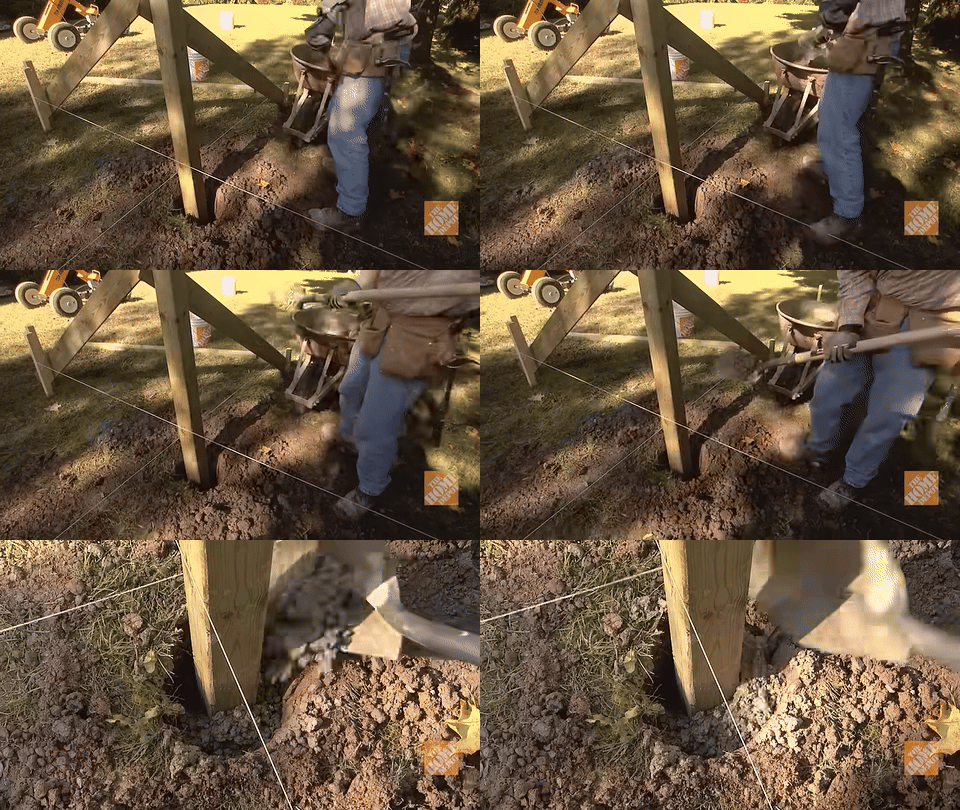
Shows mixing and pouring concrete into the post hole.
Step 9: Tamp concrete
Use a two by four to tamp the concrete down about an inch below ground level.
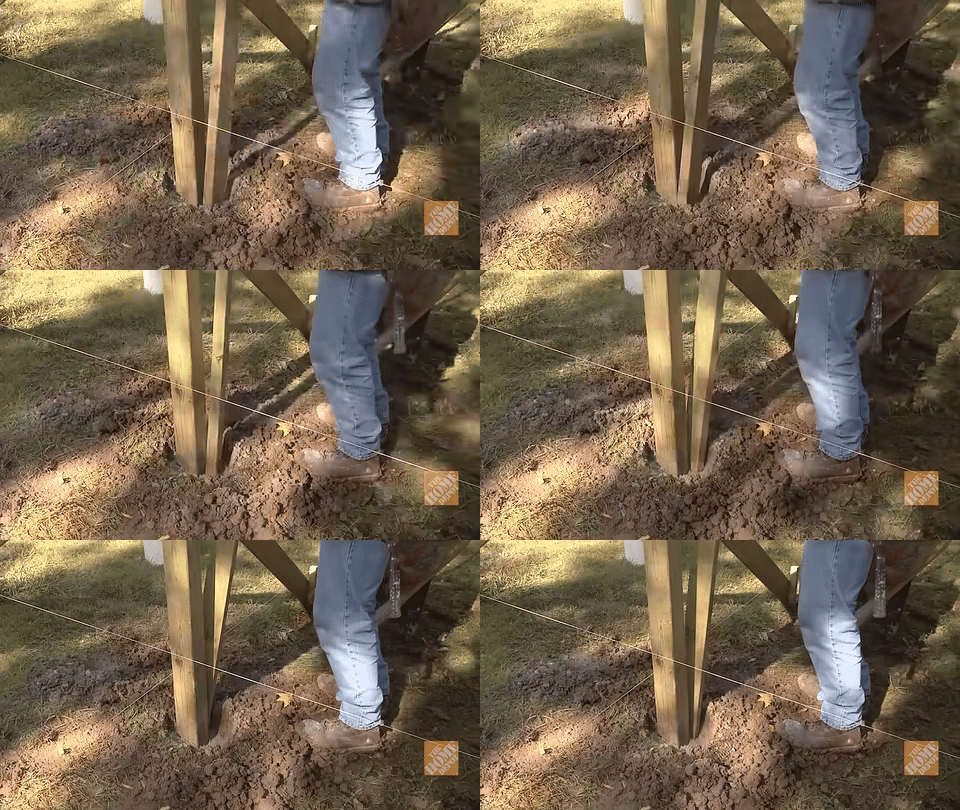
Demonstrates tamping the concrete with a two by four.
Step 10: Check post alignment
Ensure the post is straight before the concrete dries.
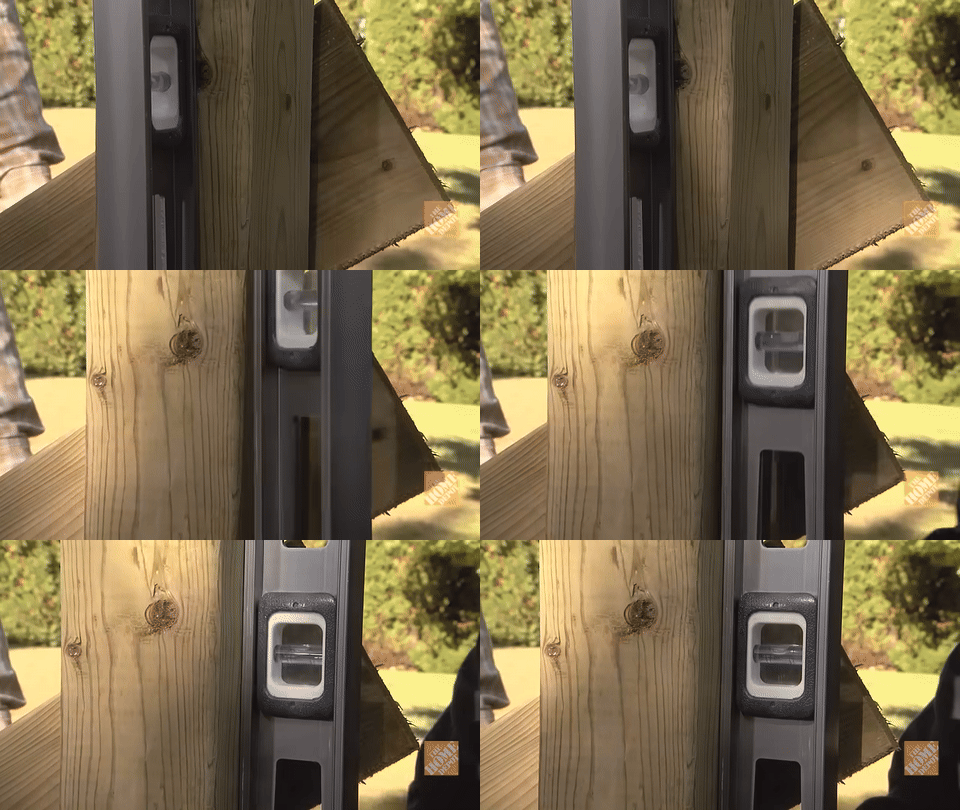
Shows the final check of post alignment.
Step 11: Allow concrete to harden
Let the concrete fully harden before backfilling the hole with soil.
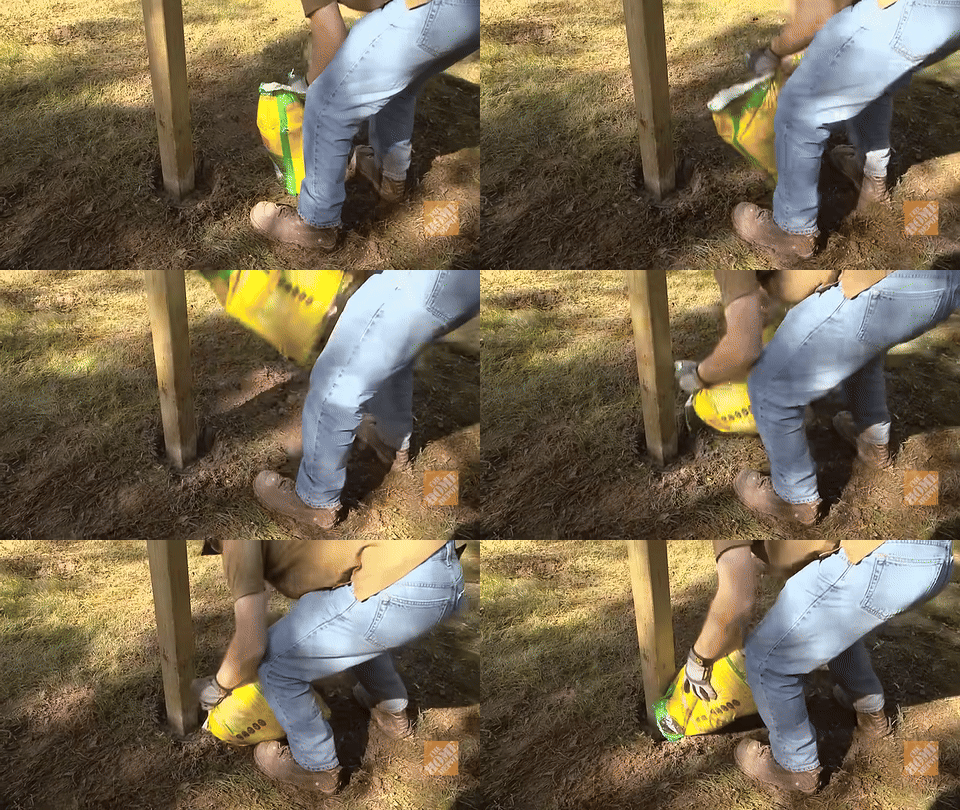
Illustrates the waiting period for concrete to harden.